
Multiple drains
Several fixtures slow or backing up
When sinks, tubs and toilets all struggle at the same time, the restriction is past the point where their branch lines join.
When more than one drain backs up, or wastewater appears in a tub when the toilet flushes, the trouble usually lies in the line carrying everything out of the house. We investigate recurring sewer backups and explain what is causing them before recommending a repair.
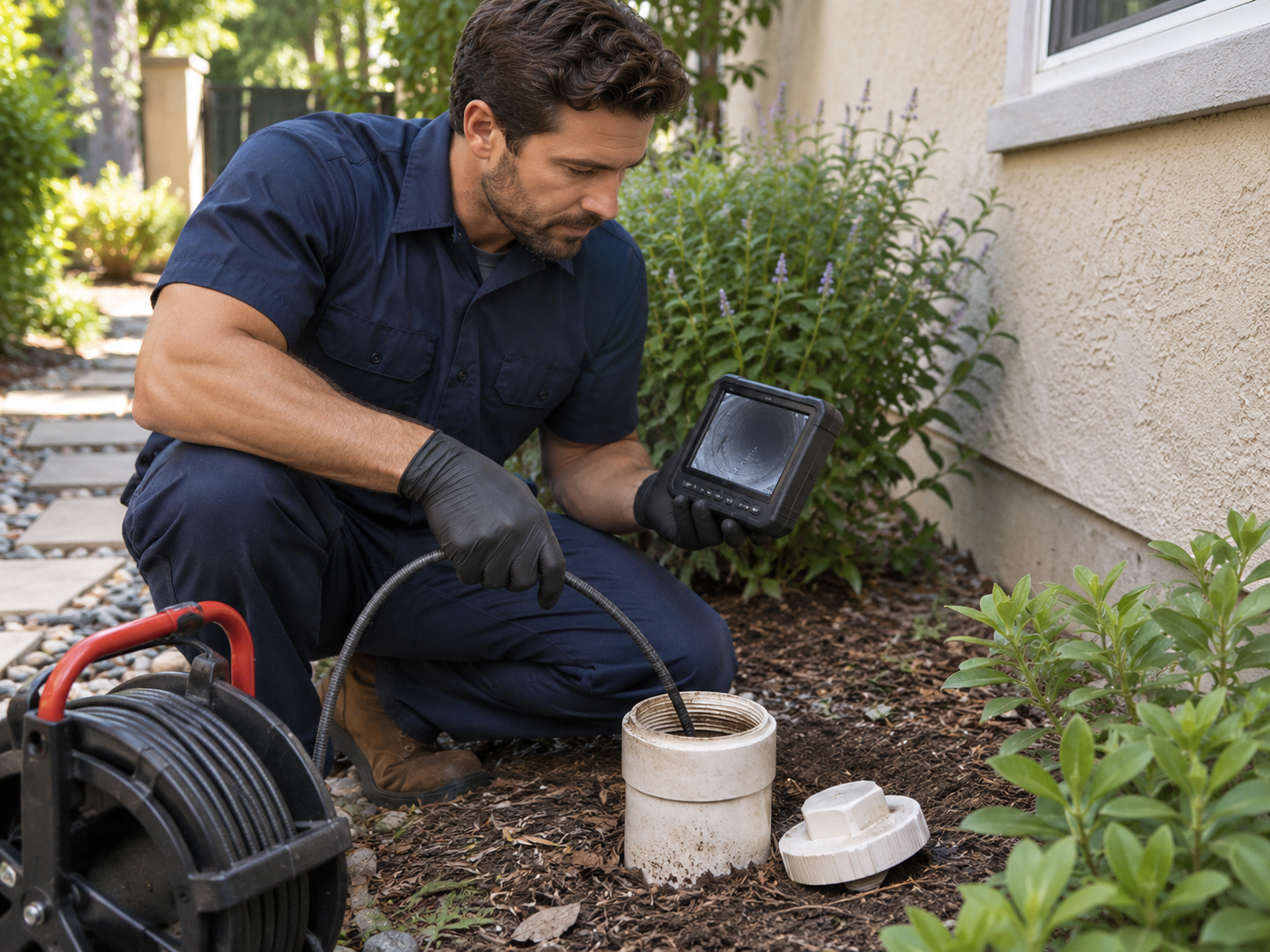
A single clogged sink rarely calls for a sewer investigation. These patterns are different: they suggest a problem that every drain in the house shares.
When sinks, tubs and toilets all struggle at the same time, the restriction is past the point where their branch lines join.
Wastewater looks for the lowest exit. A shower or tub that fills when other fixtures drain is a classic sign of a main line blockage.
If the main line has been cleared before and the problem returns, something in the pipe is catching waste again.
Persistent sewer odor near drains, in the yard or around a cleanout can indicate a blockage or an opening in the line.
Air pushed through water traps as wastewater struggles past a restriction creates gurgling at fixtures you are not using.
A lush strip or a wet spot along the path of the sewer line can mean wastewater is escaping into the soil.
From inside the house, a blockage, root intrusion, a misaligned joint and a broken pipe can all look identical. Telling them apart is what determines the right repair.
Grease, wipes, paper and other items can collect in the main line and restrict flow. When the pipe itself is sound, clearing may be the whole solution.
Roots enter through small cracks and joints, then grow into a net that catches waste. They tend to return after clearing because the entry point remains.
Soil movement can shift pipe sections out of line or create a low belly where water and solids settle. Waste catches on the edge or pools in the dip.
Aging, corrosion or physical damage can crack or break the pipe wall. Severe cases restrict flow entirely and let soil into the line.
The first step is access. An exterior cleanout, if your home has one, allows us to reach the main line directly without working through a toilet or fixture. Where there is no usable cleanout, we discuss other access points and what each involves.
If a backup is active, clearing the line restores use of your drains and tells us something about the cause from what comes back. Where it is appropriate, a camera inspection of the line can then show the pipe material, the location and depth of problems, and whether we are looking at buildup, roots, an offset or structural damage. That visual record is the basis for any repair recommendation.
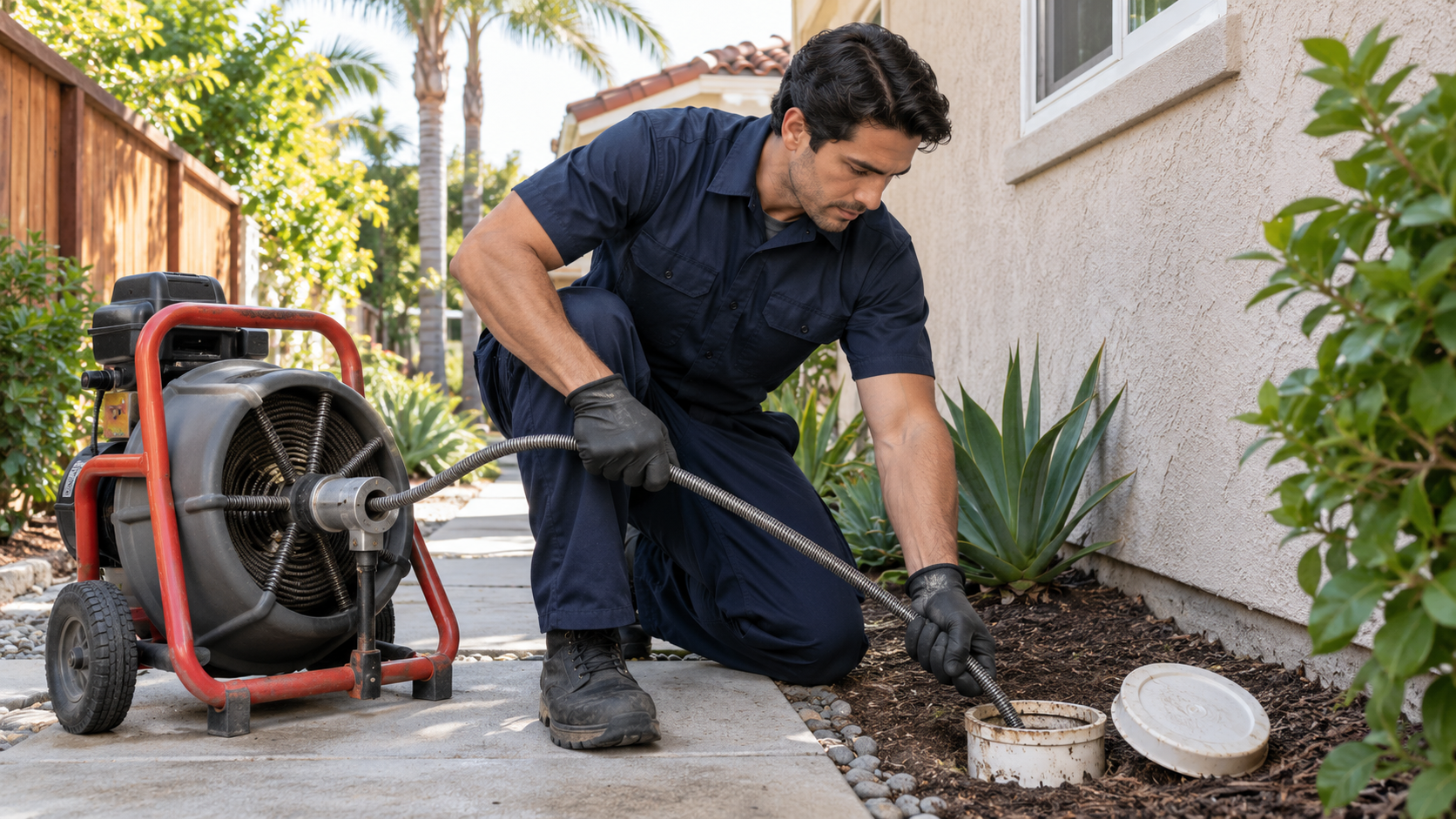
The scope of a sewer lateral repair depends on what the inspection finds and where. A single damaged section near the house is a very different job from damage that runs under a driveway or close to the street connection. Pipe depth, the material of the existing line, landscaping and hardscape above it all affect the approach.
Responsibility depends on location and the applicable rules. The portion of the line you maintain, and any permit requirements, are set by the local sewer agency and, for some homes, by HOA documents. We help you identify where the problem sits so you can confirm those details with the right party.
Repair options can range from replacing a damaged section to replacing a longer run of pipe. Trenchless approaches exist for some situations; ask us whether they suit your line and are available for your job. Our focus is on recommending what the condition of your pipe calls for, consistent with the careful approach behind plumbing help for Mission Viejo homeowners throughout our work.
Stop running water, avoid flushing toilets and keep people and pets away from any wastewater. Do not try to open the cleanout if the line is full, since contents can spill out under pressure.
What to know about telling a sewer problem from a clog, lateral responsibility and roots.
A clog in one fixture usually affects only that fixture. A sewer line problem tends to involve several drains at once, especially the lowest ones in the house, such as a tub or shower drain filling when a toilet is flushed or the washing machine empties. Repeated backups after the line has been cleared, sewage odors and gurgling from multiple fixtures also point toward the main line.
It depends on where the problem is and on the rules of the local sewer agency. In many places the homeowner is responsible for the lateral from the house to a certain point, while the agency maintains the public main, but the dividing point varies. If your home is in an HOA, shared lines may be covered by association documents. Once the location of the problem is known, we can help you work out which questions to ask.
Yes. Roots are drawn to the moisture and nutrients that escape from small cracks or loose joints. Once inside, fine roots grow into a mat that catches paper and waste. Clearing removes the blockage for a time, but roots usually return through the same opening, which is why recurring root intrusion is often a sign that the pipe itself needs repair.
Tell us which drains are affected, how often it happens and whether the line has been cleared before. We will help you plan the next step and check availability.